
Why Avengers: Infinity War is a Different Kind of Marvel Movie
The divisive reaction to Avengers: Infinity War is explained by how it differs from its MCU forebears. Beware: spoilers!
The divisive reaction to Avengers: Infinity War is explained by how it differs from its MCU forebears. Beware: spoilers!
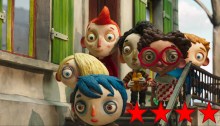
This story of pubescent orphans looking to fit in is a dark, modern-day fairytale.

Lady Bird’s story is so familiar, so authentic that it has something that’ll resonate with everyone. We’ve all clashed with our parents; we’ve all had romantic misadventures best forgotten; we’ve all felt stifled by our home town.

The Shape of Water is a flamboyant fantasy yet deeply human; old-fashioned yet profoundly modern; filmed with a palate preferring murky, oceanic greens yet somehow bursting with light and life.

A Silent Voice is an optimistic, humanistic film. You might not expect that level of optimism from a story bracketed by a pair of suicide attempts, a story of bullying and trauma and self-hatred.

Only the Brave does the story of the Granite Mountain Hotshots justice by judiciously downplaying their greatness.

It’s testament to the charm and character of Pixar’s latest, Coco, that it can win a crusty critic like myself over without once deviating from Pixar’s established formula.

Thor Ragnarok is half Taika Waititi film – funny, digressive, unpredictable – and half Thor film – mired in tiresome Norse mythology and following the MCU formula note-for-note.

At its best, Blade Runner 2049 is a film about negotiating the notion of identity in the dense lattice of a technological society. Villeneuve amplifies the first film’s themes of complicity in an oppressive society.

The Boys is a disturbingly putrid portrait of Australian masculinity at its worst.
 ccpopculture